
How to Rent Out a Room in Basel: A Step-by-Step Guide
From permission and pricing to photos, screening and publication: the practical steps for preparing a room rental in Basel.
Turn these tips into your room’s rent range.
Add the facts about your room and receive an indicative monthly range you can use as a practical starting point.
Renting out a room works best when the legal, practical and presentation questions are solved before the listing goes live. This sequence helps owners and main tenants prepare a Basel WG room without rushing important decisions.
1. Confirm that you may offer the room
If you own the property, check any building or co-ownership rules that affect use. If you are the main tenant, obtain the landlord’s consent before subletting and disclose the proposed conditions. The Swiss room subletting checklist summarises the information to prepare. Keep written records and seek qualified advice if the situation is unclear.
2. Define the rental period
State the exact availability date and a realistic minimum and maximum stay. RumyFi is designed for monthly and medium- to long-term living, not nightly accommodation. Clear dates help applicants decide quickly and reduce conversations with people whose timing does not fit.
3. Set a transparent monthly price
Separate base rent from additional monthly costs and the security deposit. Explain which utilities are included. Before choosing a number, use the free Basel WG room rent estimator and compare the result with the room’s size, furnishing, shared spaces and location. The estimate is indicative, so document why the final amount is reasonable.
4. Prepare the room and shared areas
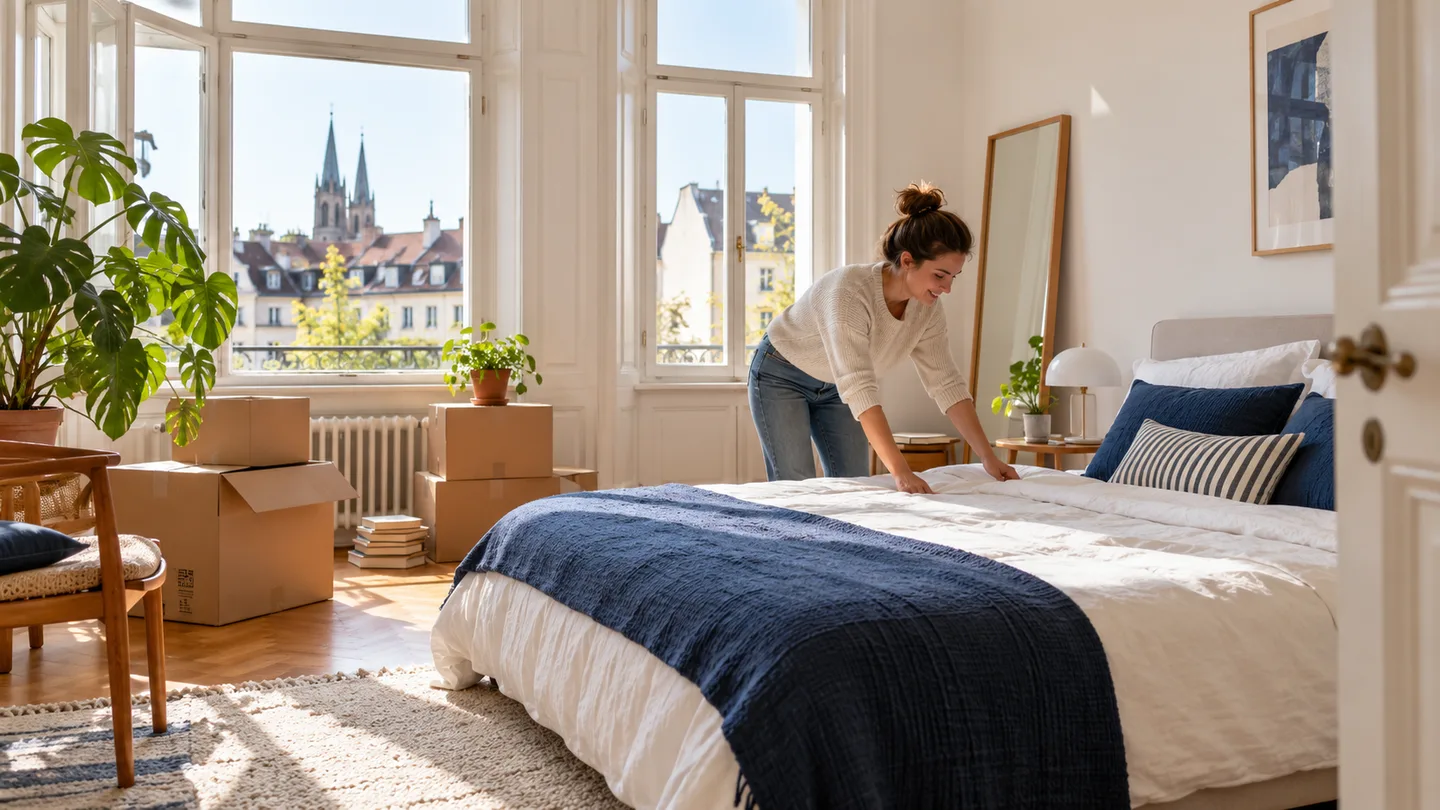
Remove personal documents and valuables, repair obvious defects, test the lights, and clean windows and surfaces. For furnished rooms, confirm that the bed, storage, desk, chair and lighting are usable. Photograph the room only after it is ready.
5. Take an honest photo set
Use daylight and keep vertical lines straight. Include the entire private room from more than one angle, then the kitchen, bathroom, entrance and relevant shared areas. Do not use filters that change colours or hide damage. A cover image should show the room clearly rather than a decorative close-up.
6. Write for decisions, not impressions
Applicants need concrete information:
- Private room size and furnishing
- Postal code and city without exposing unnecessary private address details
- Monthly rent, additional costs and deposit
- Availability and stay duration
- Shared spaces, household composition and house rules
- Public transport and daily amenities
Avoid discrimination and vague phrases such as “best tenant only.” Describe the household fit and practical expectations instead.
7. Decide how enquiries will be handled
Use one contact channel and respond consistently. Ask every applicant for the same relevant information. Do not request sensitive documents before they are genuinely needed, and store application information securely.
8. Publish and keep the listing current
With RumyFi, you can create a guided room listing, save progress between steps and submit it for review. Once published, update availability promptly. Mark the room as rented when it is no longer available so prospective tenants do not waste time.
A complete listing does more than attract clicks. It gives suitable applicants enough information to act, while helping unsuitable enquiries filter themselves out. That is better for the landlord, the household and the renter.

Subletting a Room in Switzerland: A Practical Checklist
What a main tenant should prepare before offering a room: consent, conditions, price, inventory, applicant information and written records.
Read article
Utilities and Monthly Costs for a WG Room in Basel
A clear framework for presenting rent, utilities, internet, cleaning and the deposit in a Basel room listing.
Read article
Furnished or Unfurnished? How to Offer a Room in Basel
Compare demand, setup, maintenance and pricing before deciding whether to offer a Basel WG room furnished or unfurnished.
Read article